Northeast Odyssey
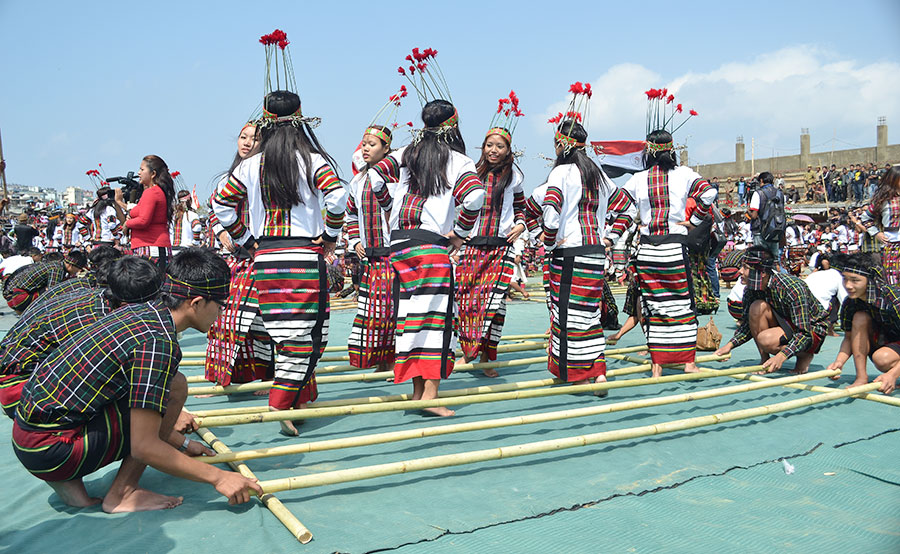
A culturally vibrant society, Mizoram is home to the famous bamboo dance. The Mizos are a talented lot who take to music naturally. They are strikingly westernised and with the highest literacy rate in the state in India averaging almost 95 per cent, English is widely spoken making it easy for tourists and outsiders.
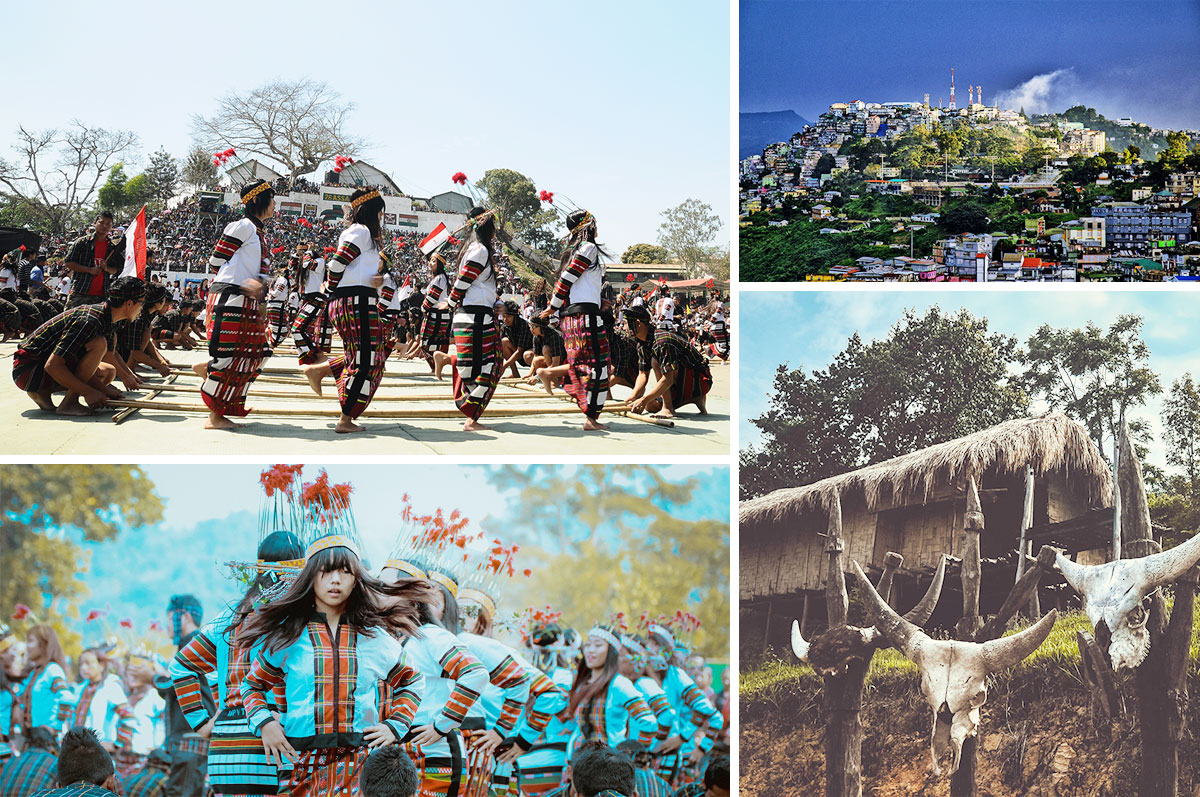
Mizos have firm religious beliefs and are fun-loving. Peep into their festive calendar that wears a colourful hue throughout the year. All activities related to jhum farming culminate in several agricultural festivals like Mim Kut; Chapchar Kut, and Pawl Kut, held between September and March.
Like its traditional music, the different dances of the region have their unique flavour too – there are performances, which commemorate a successful harvest, like the popular Chailam, which is performed during Chapchar Kut; or traditional dances like Sarlamkai and Khuallam, that are associated with war and glory. Accompaniments like bamboo, drums, cymbals, gongs as well as clapping of hands, produce their distinctive beats and rhythms to which dancers match their movements.
Mizoram is the 23rd state of the Indian Union and the state gained complete statehood in February 1987. This beautiful mountainous region, sharing an international border with Myanmar and Bangladesh covers an area of 21,087 sq kms.
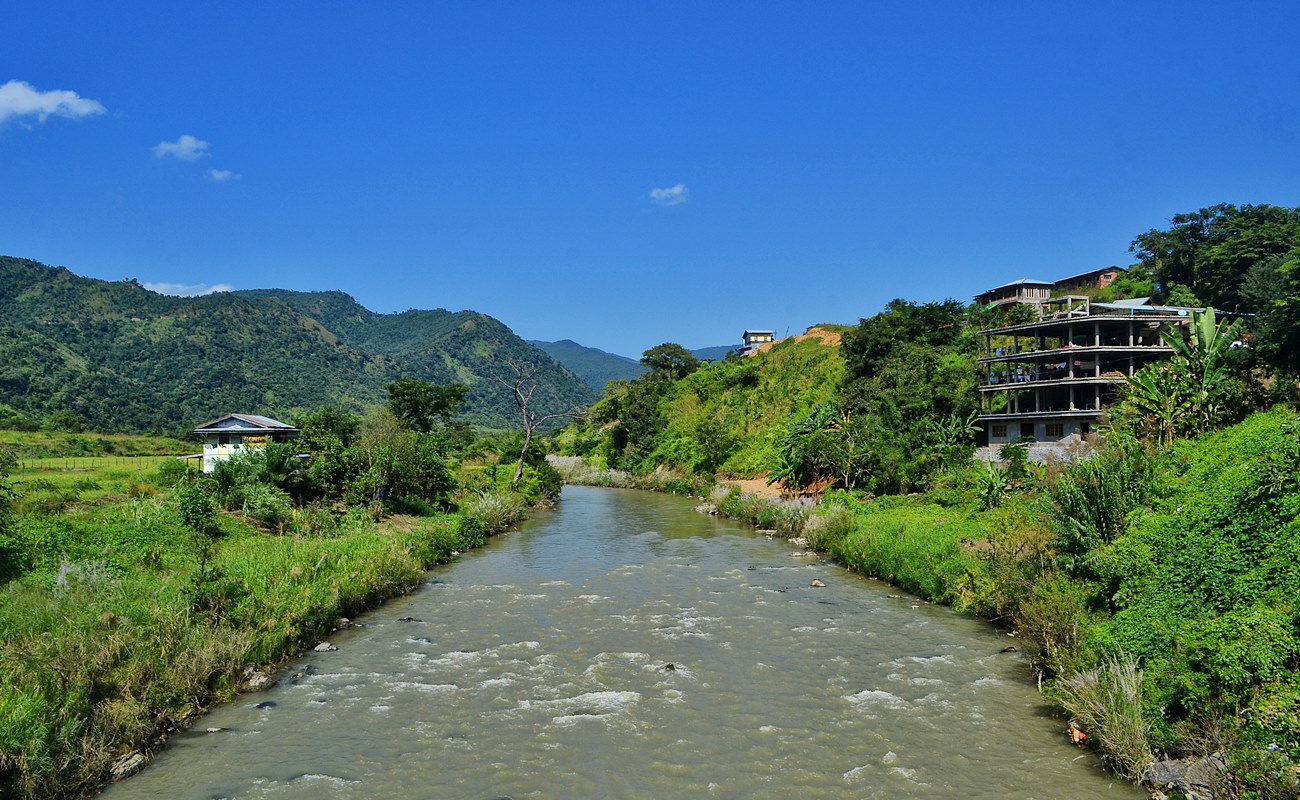
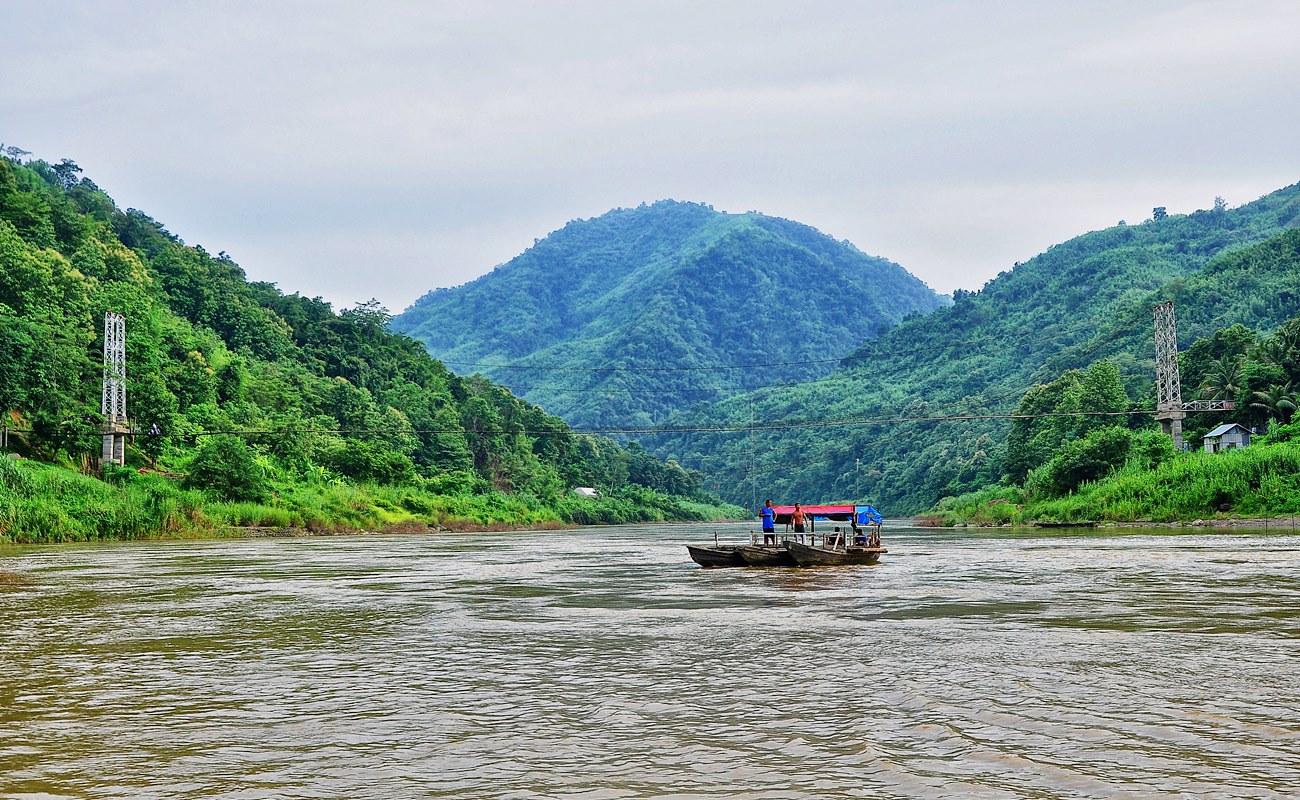
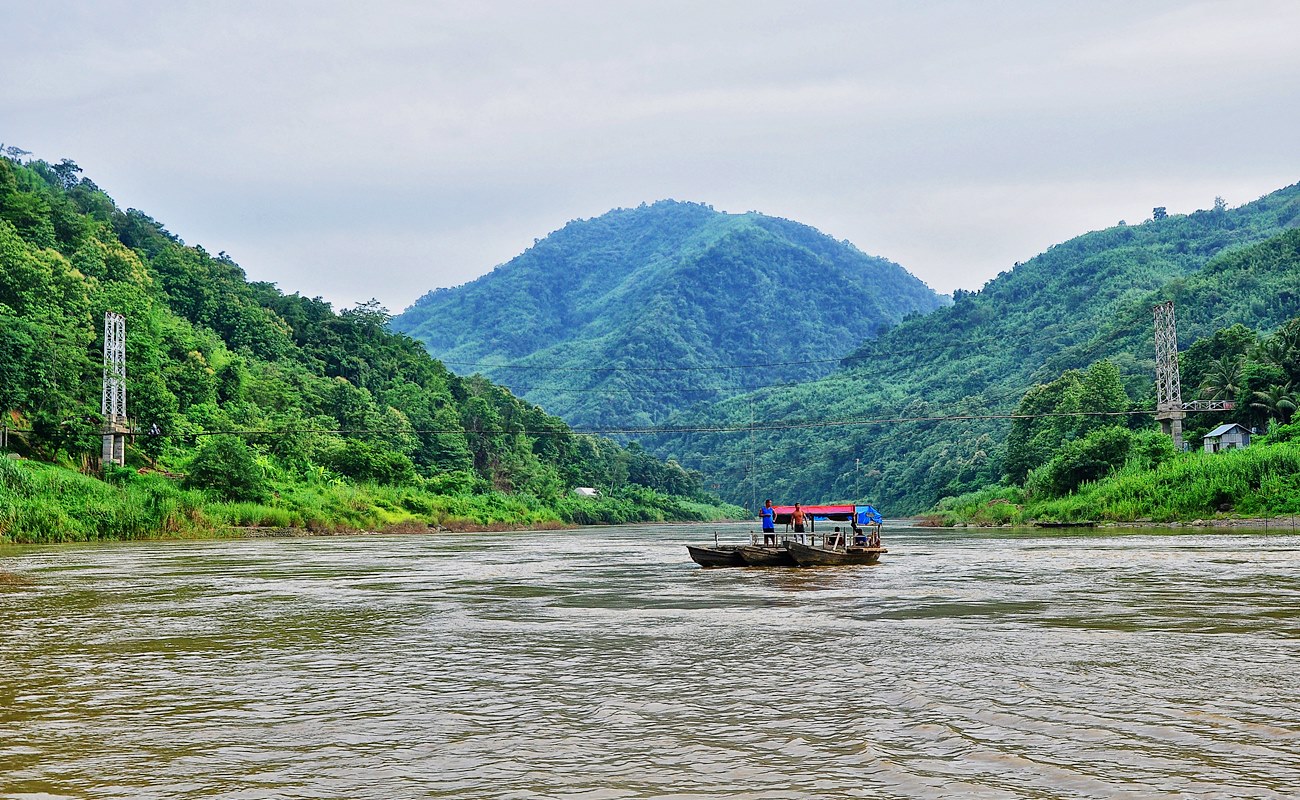
Mizoram is a beautiful mountainous region where the topography is defined by rugged hills and plunging gorges with gushing rivers flowing down them. Blessed with ample rainfall, Mizoram’s luxuriant landscapes are characteristic of tropical forests enriched with a variety of flora and fauna, including vast stretches of bamboo forests
Mizoram’s topography is defined by rugged hills and plunging gorges with gushing rivers flowing down them. Blessed with ample rainfall, Mizoram’s luxuriant landscapes are characteristic of tropical forests enriched with a variety of flora and fauna, including vast stretches of bamboo forests
There are over 21 major hills in Mizoram, among which the 'Phawngpui (Blue Mountain) towering at 2,065 metres, is the highest. An interesting facet about Mizoram’s major rivers is that they either flow in a north or south direction. Tlawng (also known as Dhaleswari or Katakhal), Tut (Gutur), Tuivawl and Tuirial (Sonai) flow through the northern territory and eventually join river Barak in Cachar. The Western part is drained by river Karnaphuli (Khawthlang tuipui); while southern Mizoram is fed by river Koldoyne (Chhimtuipui), which originates in Myanmar.
Several lakes are strewn across the state as well – these include Palak, Tamdil, Rungdil; and Rengdil, which are all prime tourist destinations of the state. The birth of lake Palak is steeped in local myths – it is believed that it was created as a result of an earthquake or a flood; and a village, which was submerged during the floods, still remains under the waters to this day. Covering an area of 30 Ha, Palak is situated in Chhimtuipui District in southern Mizoram.
Tamdil, situated 110 kms from Aizawl, has a fascinating tale associated with its origin as well. Legend has it that the mustard plant which stood here centuries ago, was cut off, and this resulted in water spraying out from beneath forming a lake – thus the name Tamdil, which means ‘lake of mustard plant’.
Like many other north-eastern people, Mizos (Mi and Zo translated literally mean hill people), are generally accepted as being of Mongoloid decent. Ethnically, Mizos are collectively known as Lushais or Luseis, literally meaning ‘long headed people’.
Around the 7th century their sojourn took them to western Burma – here they came under the influence of Christian missionaries who infused several changes in their social fabric, including introduction of formal education and the Roman script for the Mizo language. It is no surprise therefore that literacy rates in the state are highest in India, averaging 95% almost. As an influence of the church and western lifestyles, English is a widely spoken language throughout the state.
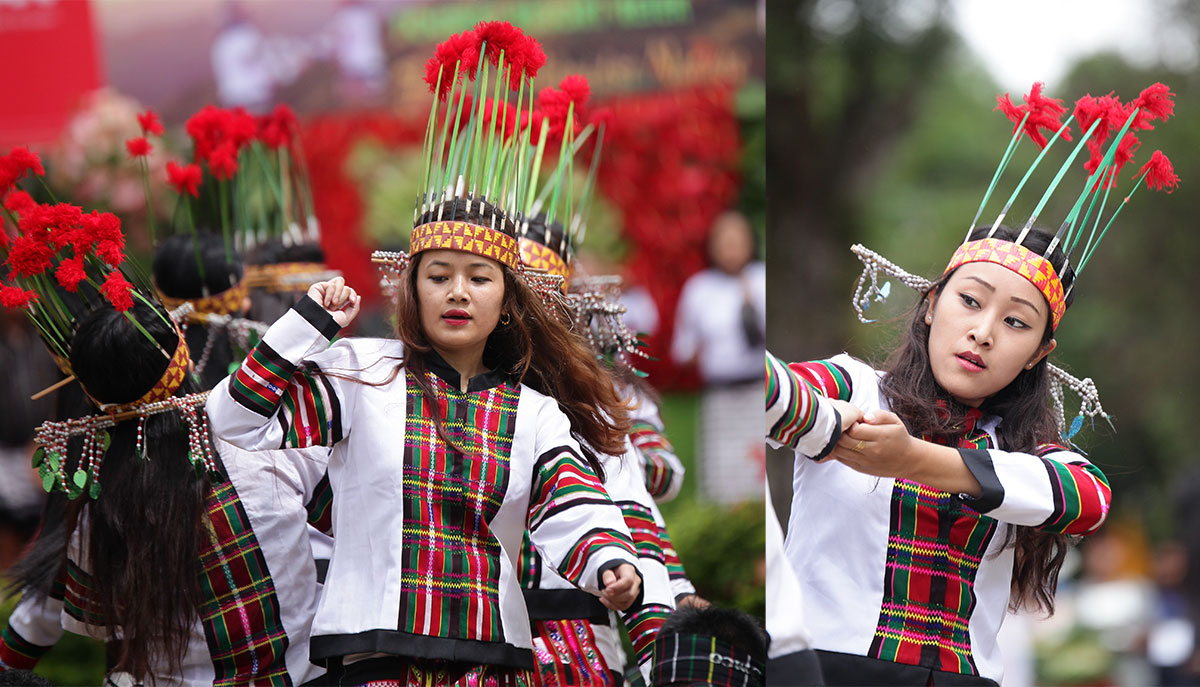
Considered as extremely polite and friendly people, the Mizo society is closely knit. The entire village is considered like a big family that partakes in all kinds of ceremonies together. Though the influence of Christian missionaries has made them more liberal and democratic in their mindsets, Mizos still value the traditional ideology of ‘Tlawmngaihna’, where every member of their society is supposed to selflessly serve others.
Traditionally involved in farming, especially jhum cultivation– young Mizo men were trained at the village Zawlbuk, to eventually become responsible citizens. Today’s young generation is however involved in newer professions including music. Lately the state has seen a profusion of rock bands and is also popular for the genre of gospel music.
The state is also home to various tribes like Maras, Hmar, Paites and Lais. Other groups like the Riang, a sub-tribe of Tripuri and Chakma origin also inhabit here.